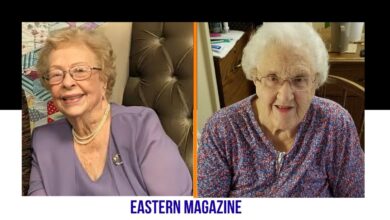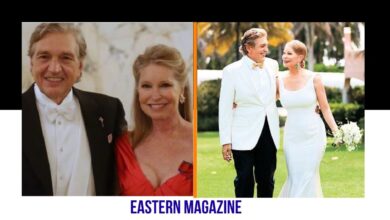


Dorothy Bowles Ford is best known as the mother of Harold Ford Jr., but her place in the Ford family story is more meaningful than a simple family label. She stood near one of Tennessee’s most visible political families when Memphis politics, Black leadership, public service, and family legacy were closely connected. Although Dorothy has lived much of her life away from the spotlight, the public record links her to government service, motherhood, and the private foundation behind a son who later became a congressman, financial executive, and political commentator.
Quick Bio
| Detail | Information |
|---|---|
| Full Name | Dorothy Bowles Ford |
| Also Referenced As | Dorothy Jean Bowles |
| Best Known For | Mother of Harold Ford Jr. |
| Former Spouse | Harold Eugene Ford Sr. |
| Marriage Date | February 10, 1969 |
| Children | Harold Eugene Ford Jr., Newton Jake Ford, and Sir Isaac Ford |
| Family Connection | Ford family of Memphis, Tennessee |
| Public-Service Link | Longtime employee of the U.S. Department of Agriculture |
| Son’s Birthplace | Memphis, Tennessee |
| Son’s Birth Date | May 11, 1970 |
| Son’s Education | University of Pennsylvania and University of Michigan Law School |
| Son’s Public Office | U.S. Representative from Tennessee’s 9th District |
| Political Family Role | Connected to two generations of congressional leadership |
| Public Profile | Private figure |
| Legacy Theme | Family influence, public service, and quiet support |
Who Is Dorothy Bowles Ford?
Dorothy Bowles Ford is a private American figure whose name appears most often beside Harold Ford Jr. and Harold Ford Sr. That connection matters because the Ford family became one of the most recognized political families in Memphis. Harold Ford Sr. served for more than two decades in Congress, and Harold Ford Jr. later followed him into the same Tennessee seat. Dorothy’s role was different: she did not build her identity around campaigns or television appearances, but around family, values, and steady support.
Early Life and Background
Verified public information about Dorothy Bowles Ford’s early life is limited, and that should be stated clearly. Many online profiles repeat details about her, but not all claims are strongly documented. What can be said with more confidence is that she became publicly known through her marriage to Harold Ford Sr. and through Harold Ford Jr.’s later rise. Because she has remained private, responsible writing should avoid guessing about her parents, exact age, childhood, or education when those details are not confirmed. This privacy adds an important layer to her story because it shows that a person can still matter in a public family without making fame her own goal.
Dorothy Bowles Ford and Harold Ford Sr.
Dorothy Bowles Ford married Harold Eugene Ford Sr. in 1969. At that time, Harold Ford Sr. was entering the early stages of a career that would make him a major name in Tennessee politics. He later became the first African American elected to Congress from Tennessee and represented the Memphis area for eleven terms. Their marriage placed Dorothy close to a demanding public life filled with campaigns, community events, voter expectations, and the pressures of elected office.
The marriage produced three sons: Harold Eugene Ford Jr., Newton Jake Ford, and Sir Isaac Ford. Harold Ford Jr. became the most nationally recognized because he entered Congress after his father retired. Newton Jake Ford also became known in Memphis political circles, while Sir Isaac Ford remains part of the broader family story. Through her children, Dorothy’s role became tied to a larger legacy, especially as Harold Jr. stepped into the same public arena that had defined his father’s career.
Her Connection to Harold Ford Jr.

Dorothy Bowles Ford’s strongest public connection is to Harold Ford Jr., her eldest son. Harold Jr. was born in Memphis on May 11, 1970, and grew up around politics from a young age. His father entered Congress when Harold Jr. was still a child, meaning the family’s daily life was connected to both Memphis and Washington, D.C. For a young person, that environment can shape how leadership, race, opportunity, debate, and public service are understood.
One widely shared story from Harold Jr.’s childhood captures that early exposure. During his father’s first swearing-in ceremony, Harold Jr. reportedly raised his hand and said he wanted to be in Congress when he grew up. Read as a family moment, it shows how early ambition can grow from surroundings. Dorothy was part of that setting, helping raise a child in a home where politics was not abstract but part of everyday life.
Education, Work, and Public Service
Dorothy Bowles Ford’s personal education history is not widely available in verified public sources, so it is better not to invent details. However, one important point is documented: she worked for the U.S. Department of Agriculture. That connection matters because it shows she was not only a political spouse or mother. She also had her own link to federal service, which adds depth to how readers understand her life and fits naturally with the Ford family’s wider public-service identity.
The Ford Family Legacy in Memphis
To understand Dorothy Bowles Ford, it helps to understand the Ford family’s place in Memphis. The family became known through business, community networks, and politics. Harold Ford Sr. came from a large family with deep local roots, and he turned that foundation into a long congressional career. His rise was historically important because he became a breakthrough Black political figure in Tennessee at a time when representation carried deep meaning for many communities.
Dorothy’s role in that legacy was quieter, but still meaningful. Political families are not shaped only by candidates. They are shaped by spouses, parents, children, relatives, neighbors, campaign workers, churches, schools, and community relationships. Dorothy belonged to the family circle that supported a demanding public journey. The Ford name became attached to influence and ambition, but behind that name were real family responsibilities.
Harold Ford Jr.’s Path to Congress
Harold Ford Jr. built a notable career of his own. He graduated from St. Albans School in Washington, D.C., earned a bachelor’s degree from the University of Pennsylvania, and later received a law degree from the University of Michigan Law School. Before entering Congress, he gained early government experience. These steps gave him a profile that combined education, public policy exposure, and family familiarity with the political process.
In 1996, after Harold Ford Sr. chose not to seek another term, Harold Ford Jr. ran for the Memphis-based congressional seat. He won and began serving in January 1997, becoming part of a new generation of Black political leadership. His House career lasted until January 2007. For Dorothy Bowles Ford, this meant watching her son carry the family name into the same institution where his father had served for more than twenty years.
A Mother Behind a Public Career
It is easy to focus only on Harold Ford Jr.’s elections, speeches, policy positions, and media career, but public success usually begins long before the public sees it. Dorothy Bowles Ford’s importance is found in that earlier foundation. A child raised near public service needs more than ambition. He needs discipline, confidence, communication skills, and a sense of how to move between different communities. Dorothy’s influence should not be exaggerated beyond the record, but it should not be dismissed either.
Marriage, Divorce, and Family Privacy
Dorothy Bowles Ford and Harold Ford Sr.’s marriage began in 1969, and public biographical sources report that the couple later divorced. Their relationship lasted through many important years in Harold Ford Sr.’s public career and Harold Ford Jr.’s childhood and early adulthood. After the divorce, Dorothy appears to have kept a low public profile. Her privacy should be respected, especially when details about her later personal life are not widely verified. In her case, the known story is already meaningful: marriage into a historic political family, motherhood to three sons, government employment, and a lasting connection to Harold Ford Jr.’s public identity.
Harold Ford Jr. After Congress
Harold Ford Jr.’s story did not end when he left the House of Representatives. After congressional service, he stayed visible in public affairs, finance, teaching, and television commentary. He worked in the financial sector, held leadership roles, taught public policy, and later became a familiar political voice. He also became associated with PNC Bank, where public profiles describe him as a regional president in New York. For readers searching Dorothy Bowles Ford, this broader context helps explain why interest in her continues.
Why Dorothy Bowles Ford Still Draws Interest
Dorothy Bowles Ford continues to draw attention because she represents a missing piece in a well-known public story. Searchers often know Harold Ford Jr. from television, politics, or finance, but they want to know the family behind him. They ask who his mother is, whether she was married to Harold Ford Sr., and how she fits into the Ford legacy. Those questions are natural because family history often helps readers understand a public figure more completely.
Her story also appeals because it is not overexposed. There is quiet dignity in a person whose name is known but whose private life has not been turned into constant public content. Dorothy Bowles Ford stands at the intersection of motherhood, public service, and political history without becoming a loud public personality herself. She is not famous in the same way her son and former husband are famous, but she is relevant to understanding both of them.
Final Thoughts
Dorothy Bowles Ford’s life story is best understood through family, public service, and quiet influence. She was married to Harold Ford Sr., the historic Tennessee congressman, and she is the mother of Harold Ford Jr., who later served in the same congressional seat and built a national career beyond politics. She also had her own connection to federal service through the U.S. Department of Agriculture, giving her biography more substance than the simple label of “political mother.”
The most responsible way to write about Dorothy is to honor what is known while avoiding unsupported claims. Her parents, exact age, and private education details are not widely confirmed, but her place in the Ford family is clear. Dorothy Bowles Ford helped shape a family story that reaches from Memphis to Washington and from Congress to modern political commentary. Her untold story is about recognizing the steady presence behind a public legacy.
Frequently Asked Questions (FAQs)
Who is Dorothy Bowles Ford?
Dorothy Bowles Ford is best known as the mother of Harold Ford Jr. and the former wife of Harold Ford Sr. She is connected to the Ford political family of Memphis, Tennessee, and has generally maintained a private profile.
Is Dorothy Bowles Ford Harold Ford Jr.’s mother?
Yes, Dorothy Bowles Ford is Harold Ford Jr.’s mother. Public congressional records identify Harold Ford Jr. as the eldest son of Harold Eugene Ford and Dorothy Bowles Ford.
Was Dorothy Bowles Ford married to Harold Ford Sr.?
Yes, Dorothy Bowles Ford married Harold Eugene Ford Sr. in 1969. Public biographical sources report that the couple had three sons together and later divorced.
How many children does Dorothy Bowles Ford have?
Dorothy Bowles Ford is publicly reported to have three children: Harold Eugene Ford Jr., Newton Jake Ford, and Sir Isaac Ford. Harold Ford Jr. is the best-known of the three because of his congressional, financial, and media career.
Why is Dorothy Bowles Ford important to Harold Ford Jr.’s story?
Dorothy Bowles Ford is important because she helps explain the family background behind Harold Ford Jr. Her connection to public service, motherhood, and the Ford family legacy gives readers a fuller view of the environment that shaped him.
Read More: Vontae Davis